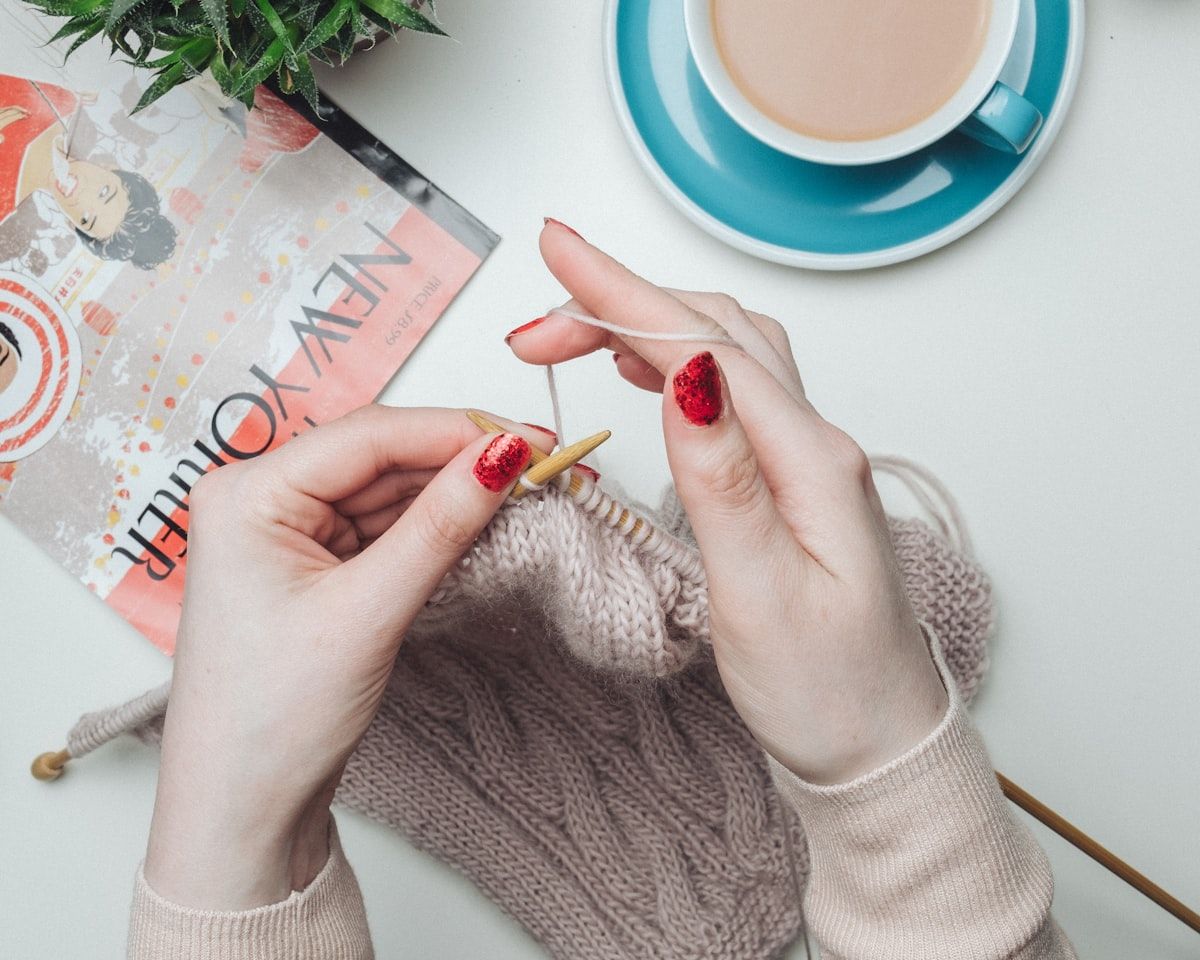
Sock knitting has a reputation for being complicated — but it does not have to be. This step-by-step guide walks beginners through everything they need to know to knit their very first pair of socks from cast-on to Kitchener stitch.
Ask any experienced knitter what changed their craft, and more often than not the answer is socks. There is something about knitting a sock — the small needles, the satisfying speed, the engineering puzzle of the heel — that elevates a knitter from someone who makes things to someone who understands knitting deeply.
If you have been curious about sock knitting but intimidated by the technique, this guide is for you.
What You Will Need
Before you cast on, gather the following:
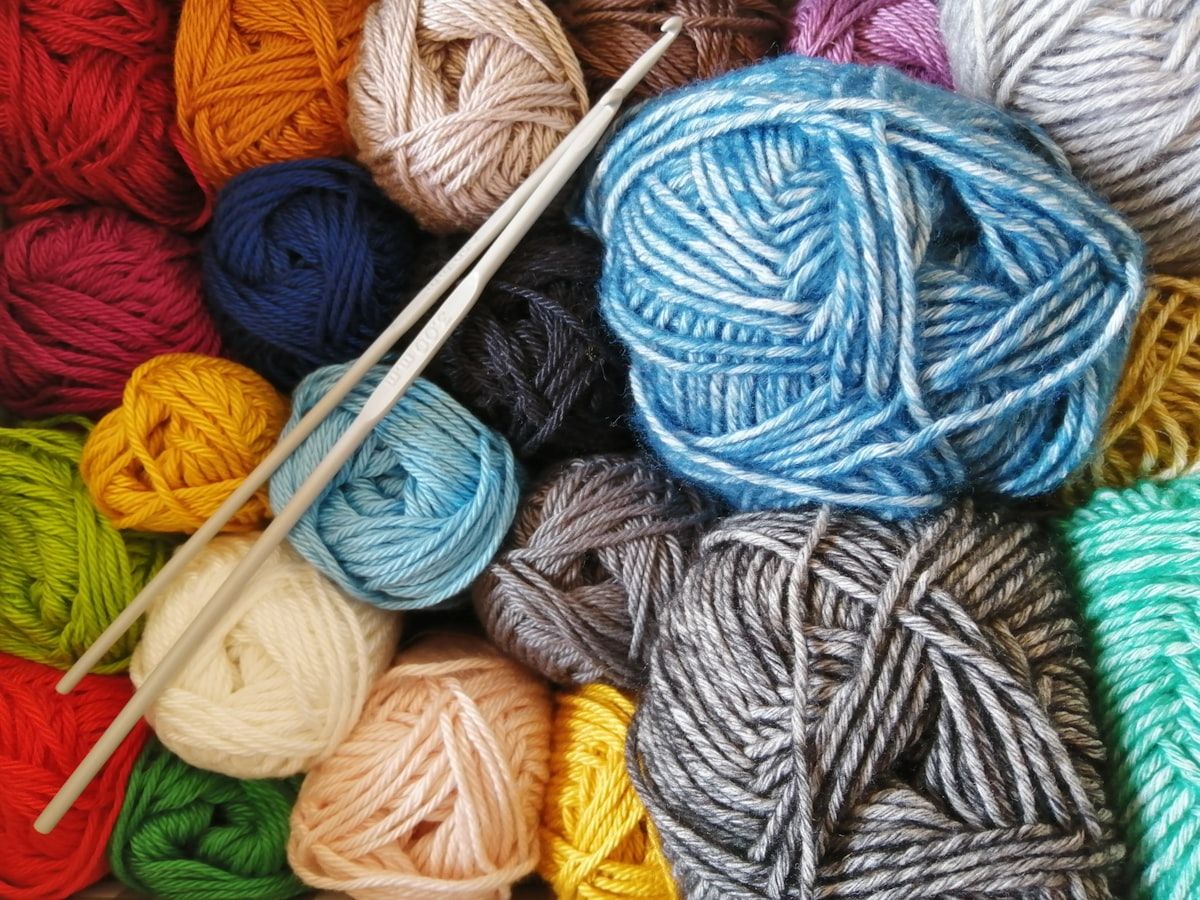
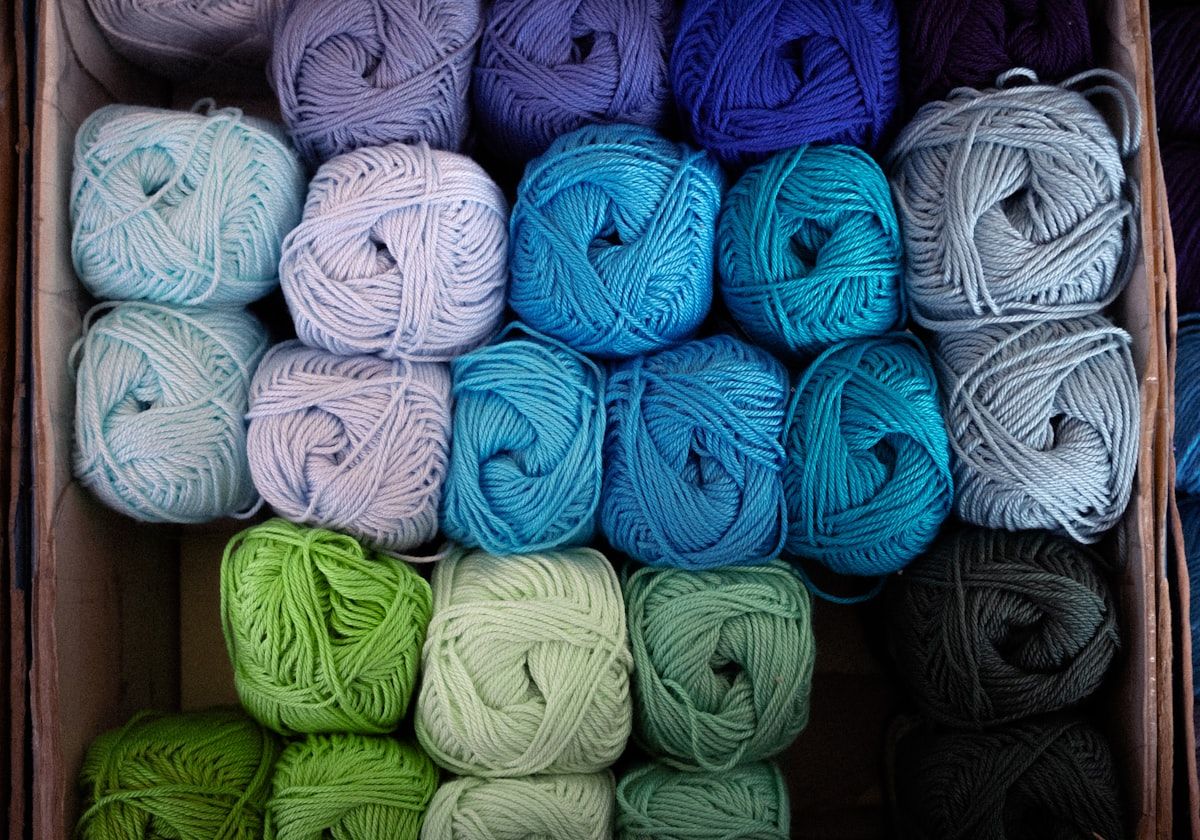
Yarn: Choose a sock-weight yarn with at least 20 percent nylon content. Look for a label that says approximately 400 yards per 100 gram skein. One skein is enough for a pair of socks for most adult feet.
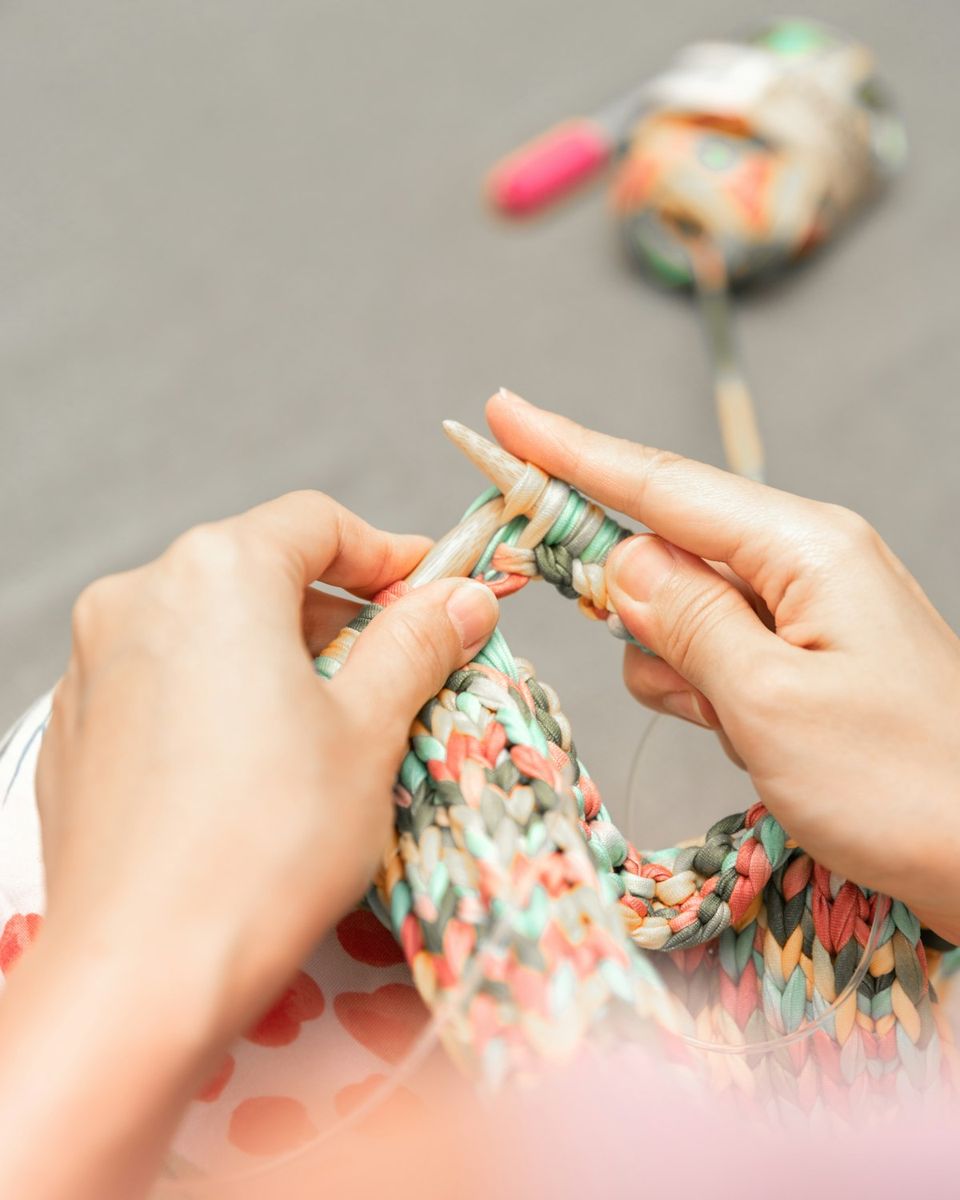
Needles: You have two main options. Double-pointed needles (DPNs) come in a set of four or five and have been the traditional sock needle for generations. Alternatively, a 32-inch circular needle and the magic loop method has become enormously popular. Either works — try both and see what feels comfortable in your hands.
Gauge: Most sock patterns are worked at 7 to 8 stitches per inch on 2mm to 2.5mm needles. Knit a small swatch before you begin to confirm your gauge. This will ensure your socks actually fit.
Notions: A tapestry needle for finishing, stitch markers, and a small measuring tape.
Choosing Your First Pattern
For your very first pair, choose a plain stockinette sock with a heel flap and gusset. This is the traditional construction and it teaches you the fundamental techniques that every sock pattern builds on. Avoid toe-up constructions, short-row heels, and anything with lace or cables until you have the basic architecture mastered.
Many excellent free patterns are available on Ravelry. Search for "beginner sock" or "plain vanilla sock" and look for a pattern with clear written instructions and good photographs.
Understanding Sock Construction
A top-down sock begins at the cuff and ends at the toe. Here is the basic structure:
Cuff: Usually ribbed (knit 2, purl 2 is most common) to provide elasticity at the opening. Work for one to two inches.
Leg: Plain stockinette or a simple stitch pattern. Work until the sock reaches the desired height from cuff to heel — typically five to seven inches for an ankle sock, or eight to ten inches for a crew sock.
Heel Flap: You will work back and forth on half your stitches to create a reinforced heel flap. This is where the sock really begins to take shape.
Heel Turn: A short series of short rows that creates the cup of the heel. It looks complicated written out, but the instructions walk you through it row by row. Follow them exactly the first time.
Gusset: You will pick up stitches along the sides of the heel flap and work decreases over several rounds to taper back to your original stitch count. This is the most complex part of the sock and the most satisfying to complete.
Foot: Plain rounds of stockinette until the sock reaches the base of the wearer's little toe.
Toe: Short decreases worked over several rounds, tapering the sock to a point. The stitches are then grafted together using Kitchener stitch — this is the only part of sock knitting that truly requires practice, but once you have it you will never forget it.
Common Beginner Questions
How long will it take? A pair of socks typically takes an experienced knitter five to fifteen hours. Your first pair may take longer. That is completely normal and part of the learning process.
What if my gauge is off? If your swatch has too many stitches per inch, go up a needle size. Too few, go down. Never skip the swatch.
What is second sock syndrome? This is the phenomenon of finishing one perfect sock and then struggling to motivate yourself to knit the identical second one. It is real, it is universal, and the cure is to start the second sock immediately after finishing the first while your momentum is high.
One Final Encouragement
Your first pair of socks will probably not be perfect. The heel might be a little wonky. The tension might vary between the leg and the foot. The toe might pucker slightly.
Wear them anyway. Wash them. Notice how they conform to your foot after a few wearings and become uniquely yours. Then start your second pair with everything you have learned.
The socks you knit by hand will outlast anything you could buy. They are small, wearable acts of devotion — and they are absolutely worth learning.
Published by Heirloom Fibers on May 1, 2026